Home Care: Maintaining Seniors Out of Harm’s Way and Independent
Home care provides an important support system for seniors, helping them to live securely and independently within their own homes. By providing customized assistance, it addresses vital daily activities and health management. This approach not only reduces risks but also fosters a feeling of autonomy and comfort. Yet, the landscape of home care is varied, including a variety of services that can be tailored to meet individual needs. What are the specific options available, and how can they affect outcomes?
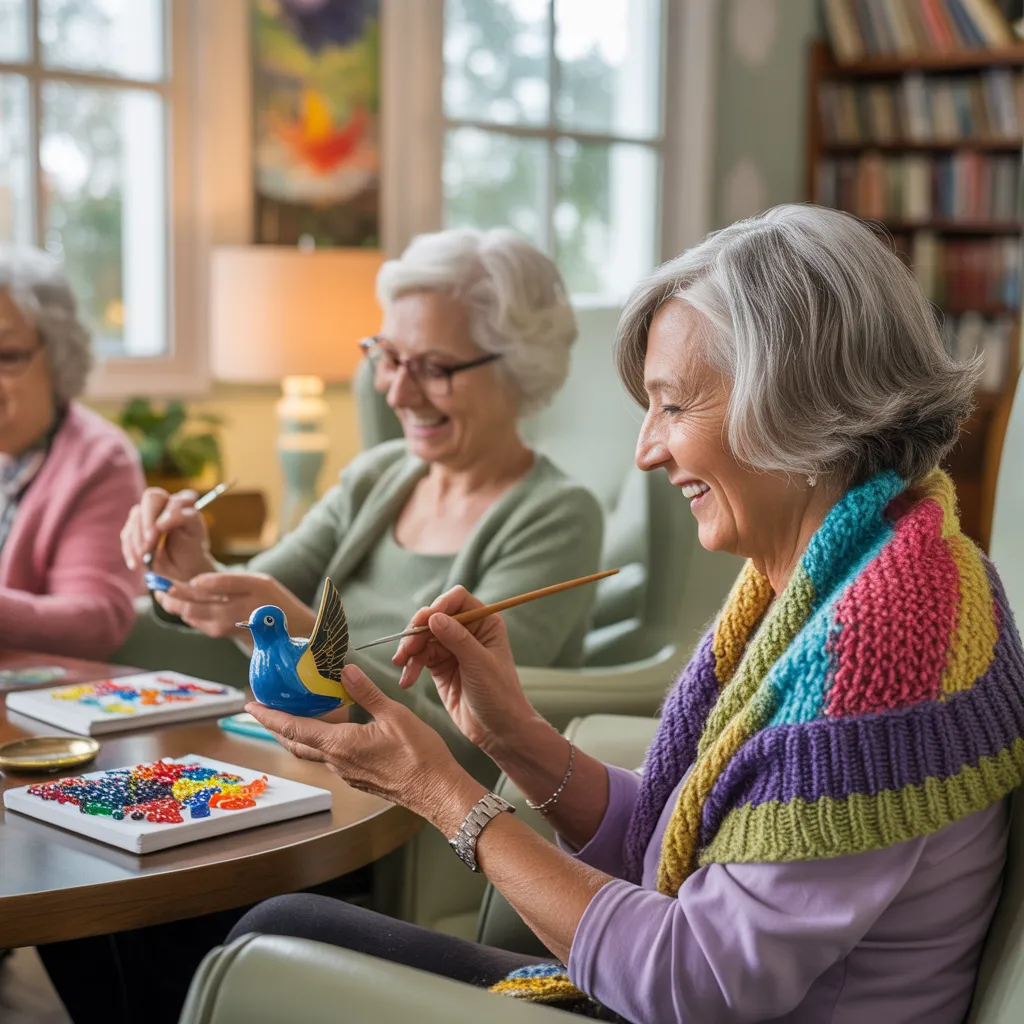
How In-Home Care Maintains Elderly Out of Harm's Way and Self-Sufficient
Home care is an important component of helping seniors maintain safety and independence inside their own homes. By providing customized support matched to individual needs, home care services empower seniors to conduct daily tasks with confidence. Trained caregivers assist with key activities such as medication management, meal preparation, and personal hygiene, lowering the chance of accidents and health complications.
Additionally, home care creates a comfortable environment, allowing seniors to flourish in a place where they feel comfortable. This familiarity can alleviate feelings of isolation and support mental well-being. Home care professionals also monitor changes in health status, ensuring timely interventions when needed. The presence of a caregiver can prevent potential hazards, such as falls or unsafe living conditions, further improving safety. Ultimately, home care allows seniors to live with dignity while getting the support they need to remain in control of their lives.
What are the several types of Home Care Services?
What types of home care assistance are available to aid seniors in their day-to-day lives? Various options address the various needs of older adults. Personal care services help with daily activities such as bathing, grooming, and dressing, ensuring seniors preserve their hygiene and comfort. Home health care concentrates on medical needs, supplying skilled nursing and therapy services to manage chronic conditions or aid recovery from illness.
Companionship services offer comfort and social interaction, helping to combat loneliness. Additionally, homemaker services assist with household chores like meal preparation, cleaning, and laundry, promoting a safe living environment. Transportation services allow seniors to attend appointments or social events, encouraging independence. Finally, respite care offers temporary relief for primary caregivers, allowing them to take essential breaks. Together, these services form an extensive support system designed to improve the quality of life for seniors while promoting their independence.
Why friendship matters in in-home care
Companionship serves an important role in the overall well-being of seniors getting home care. Social interaction greatly impacts mental health, reducing feelings of loneliness and depression. When caregivers provide companionship, they foster trust and open communication, allowing seniors to express their needs and concerns more freely.
Moreover, having a companion can enhance cognitive functioning through interactive talks and joint engagements, which may help stave off cognitive decline. Companionship also encourages seniors to stay involved valuable resource and involved in their communities, building a sense of value and belonging.
Additionally, mental support from a companion can boost resilience during challenging times, making it easier for seniors to cope with changes in their health or living conditions. Ultimately, nurturing these connections can lead to a more fulfilling and meaningful life for seniors, enabling them to maintain their independence while obtaining the necessary care.
Tailoring Residential Care Schedules to Individual Demands
When looking at the varied needs of seniors, customizing home care plans becomes key to secure ideal support and well-being. Every senior's circumstance is particular, affected by aspects such as health conditions, mobility levels, and personal preferences. Customized plans can address specific medical needs, such as medication management or physical therapy, while also incorporating emotional support and social interaction.
Involving caregivers who understand the individual’s history and interests establishes a meaningful connection, enriching the overall care experience. Consistent assessments support adjustments to the care plan, ensuring it advances with the senior’s shifting needs.
Gathering family input can further enhance these plans, establishing a partnership-based approach that upholds the senior's worth and autonomy. By highlighting customization, home care services can effectively promote self-direction, safety, and a superior quality of life for seniors, ultimately leading to a more fulfilling living experience at home.
An Overview of Knowing the Fees of In-Home Care
Knowing the fees pertaining to home care services is necessary for families finding the finest care for their elderly loved ones. Home care expenses differ significantly based on the level of care needed, geographic location, and the specific offerings rendered. Families ought to consider the variation between hourly fees for caregivers and the possible expenses of full-time care.
Along with care provider pay, other factors like commuting expenses, medical supplies, and administration fees might also alter the total outlays. Insurance coverage, including Medicare and Medicaid, may change out-of-pocket costs, so families ought to assess their policies carefully.
Budgeting for home care necessitates an comprehensive understanding of these elements. Families are prompted to explore multiple care options and consult with professionals to create a tailored plan that meets both financial and care needs. This preparation can lead to informed decisions that boost the well-being for seniors.
Frequently Inquired Questions
How can I evaluate the quality of a home care provider?
When assessing a home care provider's quality, one must look at credentials, client reviews, service offerings, staff qualifications, and responsiveness. Additionally, visiting facilities and carrying out interviews can give valuable insights into their entire care standards.
Which prerequisites are required by caregivers for home assistance?
Caregivers should have relevant qualifications, such as CPR and first aid, along with instruction in personal care, medication management, and communication skills. Experience in elder care and a compassionate demeanor further enhance their qualifications.
In What Ways Can I involve My relative in care decisions?
Engaging a loved one in care decisions can be done by encouraging open discussions, actively listening to their preferences, providing choices, and assuring they feel valued and respected throughout the decision process, fostering their autonomy.
What Signs Indicate a Senior Requires Care at Home?
Signs that an elderly person requires home care consist of increased forgetfulness, struggles with daily activities, unexpected weight loss, frequent falls, social withdrawal, or medical issues that require assistance. Detecting these changes can indicate a necessity for more support.
How can I move a elderly person to home-based care comfortably?
To transition a senior to home care effortlessly, involve them in discussions, assess their needs, establish a routine, gradually introduce caregivers, and ensure open communication to build trust and comfort during the adjustment period.